
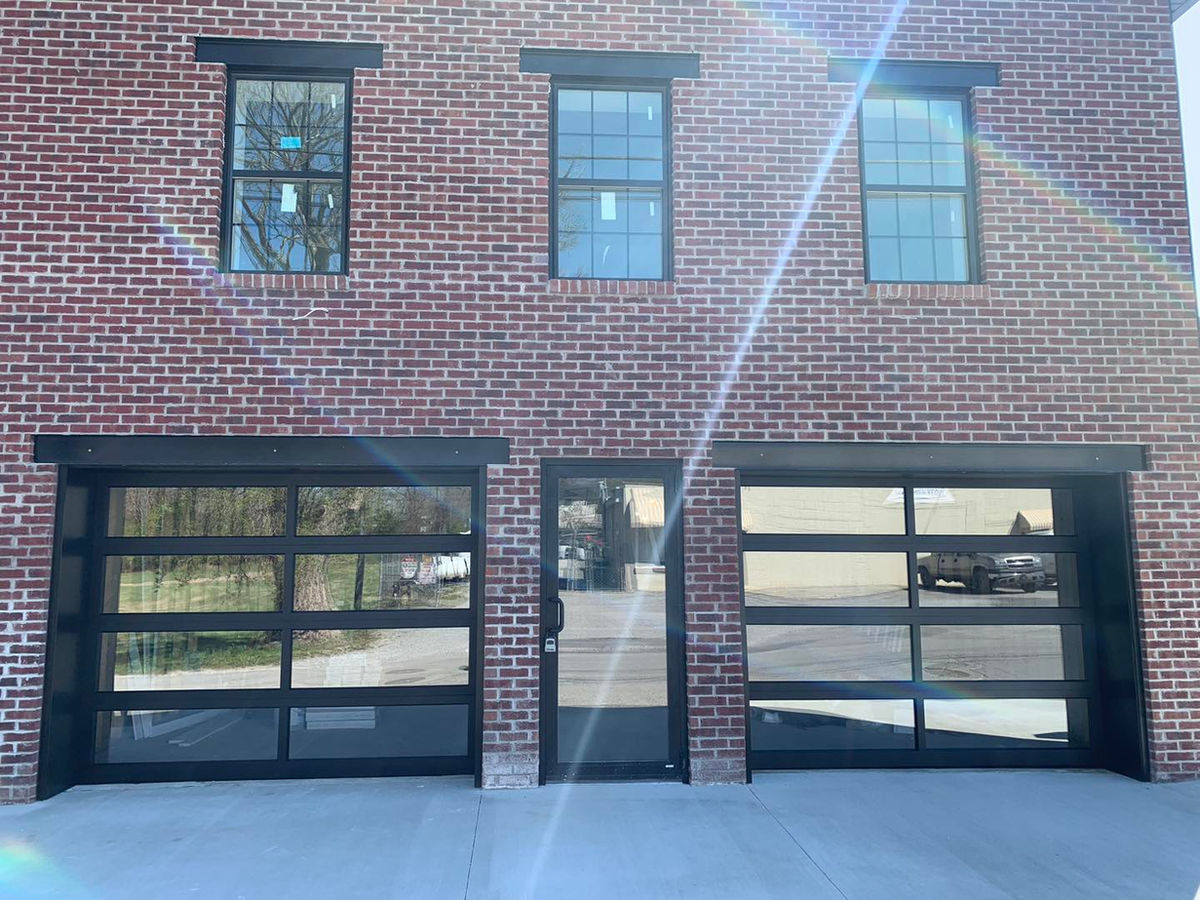
Insulated vs. Non-Insulated Garage Doors: Is the Upgrade Worth It?
By E-Z Open Garage Door Service, Inc. Published
Quick answer
An insulated garage door is usually worth it for an attached garage, a garage with a room above it, or a garage used as a workshop or gym. Its layered construction moderates garage temperature and also makes the door stiffer, more dent-resistant and quieter. A non-insulated single-layer door is often enough for a detached, parking-only garage. Energy benefits depend on how well the wall between the garage and house is sealed.
Published · Reviewed
Part of our Garage Door Installation & Replacement guides.
Is an insulated garage door worth the upgrade?
An insulated garage door is usually worth the upgrade for an attached garage, a garage with a room above it, or a garage you use as a workshop, gym or storage space for temperature-sensitive items; a non-insulated door is often enough for a detached garage or carport-style building that is only used to park a car. The difference is not only temperature. Insulated doors are built in layers, which also makes them more rigid, more resistant to dents and quieter in operation than a thin single-layer door.
Insulation is a feature you choose at the moment you buy a door; it cannot be meaningfully added to a builder-grade door later. The value of an insulated garage door depends less on the door and more on how the garage is attached to, and used by, the rest of the house.
What is the difference between an insulated and a non-insulated garage door?
A non-insulated garage door is typically a single layer of steel, sometimes with a reinforcing frame on the back; an insulated door adds an insulating core, usually sealed between an outer and an inner skin. Many homes were originally built with standard non-insulated, single-layer steel doors to keep construction budgets down. Those doors are lightweight and functional but dent easily and offer little resistance to temperature swings.
An insulated door's thermal performance comes mostly from its core. DASMA, the industry association for door manufacturers, notes that the R-values of steel and other metal facings are considered negligible; the insulation between the skins does the work.
| Factor | Non-insulated door | Insulated door |
|---|---|---|
| Construction | Usually a single steel skin, sometimes with back reinforcement | Insulating core between outer and inner skins |
| Garage temperature | Garage tracks outdoor temperature closely | Slows heat flow through the door, moderating garage temperature |
| Rigidity and dents | Thin skin dents easily from balls, bikes and bumps | Layered construction is stiffer and more dent-resistant |
| Noise | Can rattle and transmit more sound | Layers dampen vibration for quieter operation |
| Weight | Lighter | Heavier; springs and opener must be matched to it |
| Interior look | Exposed back of the panels | Finished inner skin on many designs |
| Best fit | Detached garages, sheds and parking-only buildings | Attached garages, rooms above the garage, workshops and gyms |
When does an insulated door make the biggest difference?
An insulated door makes the biggest difference when the garage shares walls or a ceiling with living space, or when people spend time in the garage itself. Rooms above a garage are the classic case: the garage ceiling is the room's floor, so a garage that drops toward outdoor temperature in January makes that floor cold. The same goes for the wall between an attached garage and a kitchen, laundry room or mudroom.
Use is the second test. A garage that doubles as a workshop, home gym or hobby space is more comfortable with an insulated door, and items stored there, such as paint, a second refrigerator or a vehicle, are exposed to less extreme swings. If anyone works, exercises or sleeps on the other side of a garage wall, an insulated door is the stronger choice. If the garage sits under a bedroom, noise matters too; our post on chain vs. belt drive openers for garages below bedrooms covers the opener side of that equation.
Will an insulated door lower your home's energy bills?
An insulated door can reduce how much heat the house loses into the garage, but the size of the effect depends on how well the wall and ceiling between the garage and the house are sealed and insulated. The door insulates the garage; the garage-to-house boundary insulates the home. Building science guidance from the U.S. Department of Energy's Building America program, published by Pacific Northwest National Laboratory, links attached garages to energy losses and calls air sealing the garage-to-house wall vital for health and safety, because it helps keep carbon monoxide and other contaminants out of the living space.
That guidance also recommends treating the door between the house and garage as an exterior door: weather-stripped, with a tight-fitting sweep and a self-closing hinge. An insulated garage door works best as part of a sealed garage, not as a substitute for one. Because a specific savings figure depends on the house, the climate and the garage, it is more honest to treat energy savings as a possible benefit than as a promise.
How should you compare insulation ratings?
Compare insulation ratings carefully, because the two numbers you may see measure different things. DASMA's technical guidance explains that a U-factor comes from testing the entire installed door assembly, including section joints, stiles and weather seals, and lower is better. An R-value is a calculation for the door section only, and higher is better. The two are not reciprocals of each other and should not be compared directly.
DASMA notes that a tested U-factor gives the highest degree of confidence when comparing whole doors, and that building codes address garage door thermal performance in terms of U-factor. A high R-value on a section does not guarantee the whole door performs well; joints and seals matter too. For a deeper explanation of what the numbers mean for an attached garage, read garage door R-value explained.
What does Central Kentucky's climate mean for this choice?
Central Kentucky's four distinct seasons make insulation useful in both directions: it slows heat loss in winter and slows heat gain through a sun-facing door in humid summers. Freeze–thaw winters also expose the weak points of any door, which are usually the bottom seal and the gaps along the sides and top rather than the panels themselves.
That is why insulation and weather seals work as a pair. A well-insulated door with a cracked bottom seal still lets in cold air, water and leaves. Our post on weatherstripping your garage door before the first Bluegrass frost covers that side of the job. Material choice matters as well: insulated steel offers the widest range of options, while full-view glass doors insulate the least, as covered in our comparison of steel, wood and aluminum and glass doors.
What changes when you install a heavier insulated door?
An insulated door is heavier than a comparable single-layer door, so the springs must be sized to counterbalance the new weight and the opener must suit the door it is driving. DASMA notes that a spring that does not match a door's counterbalance requirement can reduce the cycle life of the door assembly and the garage door motor.
A proper installation therefore replaces the system, not just the panels: new track, rollers, hinges, cables and torsion springs wound to the specification for the new door, followed by reconnecting the opener, calibrating its travel limits and testing the photo-eye safety sensors. Springs and cables are under heavy tension and are work for a trained technician only. Pricing depends on the door, opener and parts. If you are still deciding whether your current door needs replacing at all, start with whether to repair or replace your garage door.
Frequently asked questions
Can I add an insulation kit to my existing garage door?
Add-on panels can cover the back of a single-layer door, but they do not turn it into a factory-insulated door. They add weight the springs were not sized for, and they do nothing for gaps at the seals. If insulation is a priority, it is usually addressed when the door is replaced.
Is an insulated garage door quieter?
Generally, yes. The layered construction dampens vibration and rattling compared with a thin single-layer door. Overall noise also depends on the rollers, hinges, door balance and opener drive type.
Do I need an insulated door for a detached garage?
Not necessarily. If the detached garage is only used for parking or storage of items that tolerate temperature swings, a non-insulated door is often sufficient. If you heat it or use it as a workshop, insulation becomes more worthwhile.
What is the difference between R-value and U-factor?
R-value is a calculated measure of a door section's resistance to heat flow, where higher is better. U-factor is a tested measure of heat flow through the whole installed door, where lower is better. DASMA advises that the two are not directly comparable.
Will an insulated door strain my opener?
Not if the system is set up correctly. The springs should be sized to counterbalance the door's weight so the opener only guides it. A new insulated door is installed with matched springs, and the opener's suitability is checked at the same time.
How much more does an insulated garage door cost?
Pricing depends on the door, its construction, the opener and parts, so the reliable answer is a quote for your opening. Request a free quote through our contact page or call 859-239-9090.
Sources
- DASMA — Technical Data Sheet #163, U-factor and R-value for Residential and Commercial Garage Doors — U-factor (tested, whole door, lower is better) vs. R-value (calculated, section only, higher is better); not reciprocals; metal facings negligible; codes use U-factor.
- Building America Solution Center (PNNL / U.S. DOE) — Air Sealing Attached Garage — air sealing the garage-to-house wall keeps out carbon monoxide and contaminants and reduces energy losses; house-to-garage door should be weather-stripped with a tight sweep and self-closing hinge.
- DASMA — Technical Data Sheet #190, Factors Affecting Spring Cycle Life — springs that do not match the door's counterbalance requirement reduce door and motor cycle life.
Need a technician?
Springs, cables and off-track doors are jobs for a trained technician. We diagnose the door and explain your options.
859-239-9090 Request serviceLet's get you moving again.
Call us, email us, or request your free quote online. After-hours emergency service is available.