
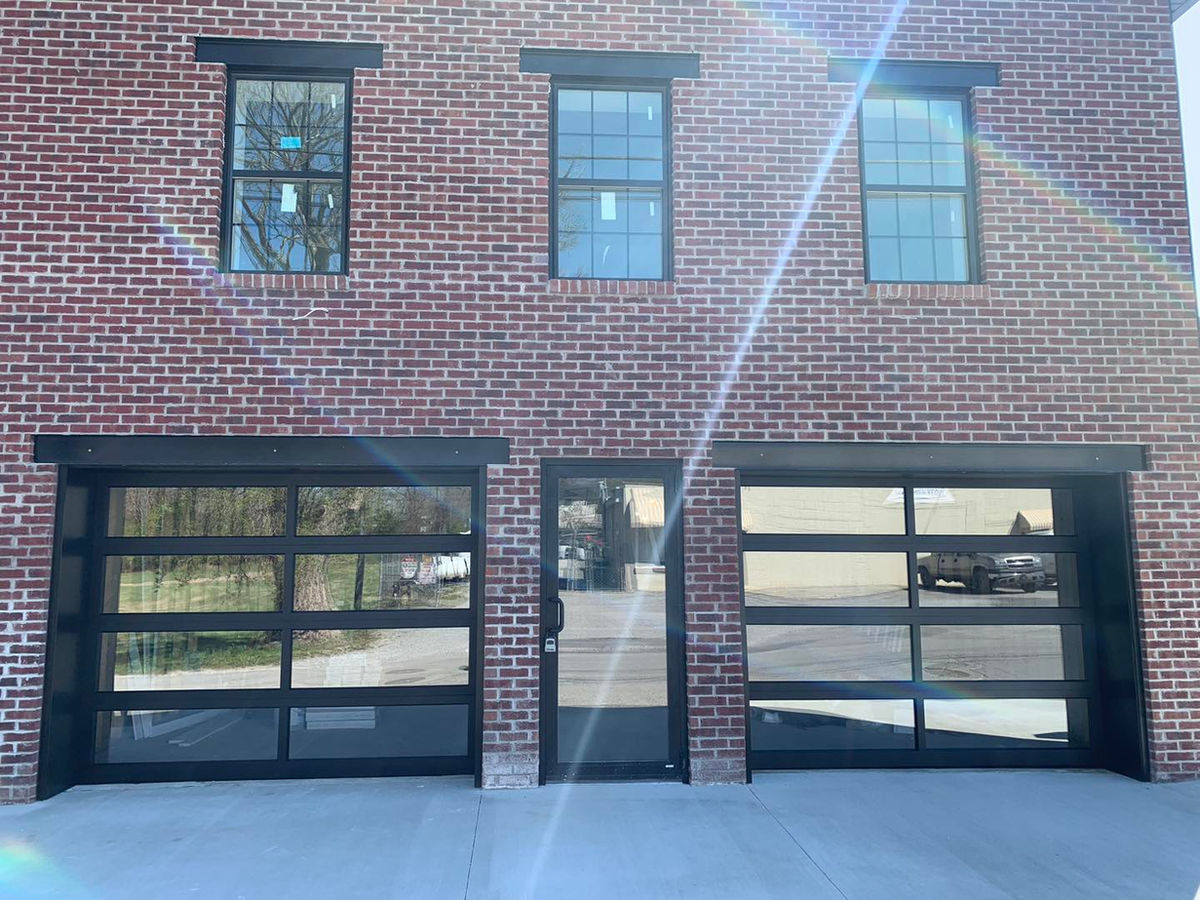
Commercial Door Service Contract vs. On-Call Repair: Which Costs Less in Downtime?
By E-Z Open Garage Door Service, Inc. Published
Quick answer
For commercial doors that cycle many times a day or that operations depend on, a preventive service contract usually costs less in downtime, because worn springs, cables and sensors are found on scheduled visits and replaced before they fail. On-call repair waits for a breakdown, so outages arrive unplanned and often at busy times. On-call can still suit low-use doors with redundancy, where a failure would be an inconvenience rather than a shutdown.
Published · Reviewed
Part of our Commercial Service Contracts guides.
Which costs less in downtime: a service contract or on-call repair?
For commercial doors that cycle many times a day or that a business cannot operate without, a preventive service contract usually costs less in downtime because wear is found and fixed on a planned schedule instead of during a breakdown; for a low-use door whose failure would not stop work, on-call repair can be enough. The difference is not whether a door will need parts, because every door does. The difference is whether those parts are replaced at a time you choose or at the moment they fail.
Downtime is the cost that rarely shows on a repair invoice: fleet vehicles trapped inside, a loading dock that cannot receive, an open bay that cannot be secured overnight. Planned maintenance moves door work from the worst possible moment to a scheduled one.
How do a service contract and on-call repair compare?
A service contract and on-call repair differ in who watches the doors, when problems are found, and how predictable the work is. The table compares them on the factors that drive downtime.
| Factor | Service contract (planned maintenance) | On-call repair (reactive) |
|---|---|---|
| When problems are found | During scheduled inspections, while still minor | After something fails or becomes obvious |
| Downtime pattern | Short, planned service windows | Unplanned outages, often at busy times |
| Springs and cables | Wear and cycle counts tracked; replacement planned before failure | Replaced after they break |
| Safety devices | Auto-reverse, sensors and limits tested every visit | Tested when someone notices a fault |
| Records | Baseline audit and a health report after visits | Individual repair tickets, no system history |
| Budgeting | Upcoming replacements identified in advance | Repair spending arrives unpredictably |
| Best fit | High-cycle, mission-critical or multi-door facilities | Low-use doors where an outage would not stop work |
What does a commercial service contract include?
A commercial service contract starts with a full audit of the property's doors and then follows a schedule of preventive visits. On the first visit, our technicians map every heavy-duty door on the property and document the age, cycle counts and current condition of the springs, motors and tracks, creating a baseline for future maintenance.
Routine visits then cover safety checks including drop tests, tension testing and track alignment; lubrication of bearing plates, rollers and hinges; torquing down mounting hardware that vibration has loosened; and testing electrical limits and auto-reverse mechanisms. After the visit, you receive a detailed health report showing which components are wearing, so replacements can be budgeted before they fail. A service contract turns a door from an unknown into a documented asset with a maintenance history. If your doors are already in poor condition, targeted garage door repair may come first to bring them up to a baseline.
Why do high-cycle commercial doors favor planned maintenance?
High-cycle doors favor planned maintenance because spring and hardware wear scales with use, and commercial doors can open and close dozens of times a day. Springs are rated in cycles, where one cycle is one opening and one closing. One commercial door manufacturer sizes torsion springs by multiplying average daily cycles by 250 operating days and then by a 10-year useful life, and offers spring ratings of 25,000, 50,000, 75,000 or 100,000 cycles. A door that cycles heavily will exhaust a lower-rated spring far sooner than a lightly used one.
That is why a service contract tracks cycle counts and schedules high-cycle spring replacements before they snap during a busy shift. The industry association DASMA also notes that lack of counterbalance maintenance shortens spring life and that regular lubrication, as the manufacturer specifies, helps maximize it. On a high-cycle door, the question is not whether the spring will wear out, but whether you find out on a schedule or during a shift.
What does the industry recommend for commercial door maintenance?
Industry guidance recommends regular evaluation by a trained technician on intervals set by the door manufacturer. DASMA's maintenance guidance for rolling sheet doors recommends that all adjustments be made by a trained door systems technician, calls for evaluating the performance of electric doors quarterly, and recommends testing door sensing devices at least weekly. It also directs owners to the door manufacturer for maintenance intervals and warns plainly that brackets and counterbalance assemblies are under extreme spring tension.
Some of that work belongs to staff and some to a technician. Facility staff can watch for doors that labor or reverse, keep sensors clear and report damage. Spring tension, cables, brackets and counterbalance adjustments are for a trained technician only. Our commercial overhead door maintenance checklist separates the staff-level checks from the technician-level work. Weekly sensor checks by staff and periodic technician service are complementary, not alternatives.
Which Central Kentucky facilities benefit most from a contract?
Facilities with heavy door traffic, harsh environments or doors that control access to critical operations benefit most. Central Kentucky has a wide mix: warehouses and distribution space, manufacturing plants, fleet and service garages, chemical and supply storage, and active farms with heavy agricultural doors.
- High-traffic operations. Warehouses, loading docks and fleet garages cycle doors constantly, which accelerates spring, cable and roller wear.
- Corrosive or dusty environments. Agricultural dust, debris and chemical exposure settle on tracks and moving parts. DASMA notes that certain chemicals can cause spring corrosion and premature failure, and that applications such as wash bays should be reviewed for corrosive effects.
- Impact exposure. Forklifts, delivery trucks and farm equipment bump track bases and bottom panels; regular visits catch small track bends before they cause a derailment.
- Four-season stress. Humid summers and freezing winters loosen brackets and break down lubrication, so maintenance includes lubricants and adjustments suited to the season.
For farm properties specifically, our post on sourcing custom heavy-duty garage doors for farm properties covers the door side of the picture.
When is on-call repair the sensible choice?
On-call repair is sensible for doors that see little use, have redundancy, or whose failure would be an inconvenience rather than a shutdown. A rarely used storage bay, a second door beside a primary entrance, or a small office with one lightly cycled door may not justify scheduled visits.
Even then, on-call does not mean no maintenance. Sensors still need weekly checks, labored operation still needs a call, and safety devices must never be bypassed by holding down the wall button. When something does fail outside regular hours, after-hours emergency service is available; our post on defining a true after-hours garage door emergency helps decide when to call. On-call repair works for doors you can live without for a while; a contract is for the doors you cannot.
Frequently asked questions
What happens on the first visit of a commercial service contract?
The first visit is a system audit. Technicians map every heavy-duty door on the property and document the age, cycle counts and condition of the springs, motors and tracks, creating a baseline that later visits are measured against.
How often should commercial doors be serviced?
Intervals depend on the door, its manufacturer's instructions and how heavily it cycles. DASMA's guidance for rolling sheet doors calls for evaluating electric doors quarterly and testing sensing devices at least weekly, with the manufacturer setting maintenance intervals.
Does a service contract cover repairs?
Contract scope is set in the proposal for your facility. Routine visits focus on inspection, lubrication, adjustment and safety testing, and the health report identifies parts that are wearing so repairs or replacements can be planned. Ask for the details when you request a proposal.
Can our maintenance staff handle commercial door upkeep themselves?
Staff can handle visual checks, keeping sensors clear, weekly sensor tests and reporting problems. Spring tension, cables, brackets and counterbalance adjustments should only be handled by a trained door systems technician, as DASMA recommends.
Do you service farm and agricultural doors under contract?
Yes. Commercial service contracts cover commercial properties, farms and warehouses across Central Kentucky, including heavy agricultural barn doors that cycle frequently and face dust and debris.
How is a service contract priced?
Pricing depends on the number of doors, their type and condition, and how often they cycle, so it is set after the audit. Request a proposal through our contact page.
Sources
- DASMA — Technical Data Sheet #286, Rolling Sheet Door Maintenance and Performance Evaluation — adjustments by a trained door systems technician; evaluate electric doors quarterly; test sensing devices at least weekly; maintenance intervals from the manufacturer; counterbalance assemblies under extreme spring tension.
- Garaga — How do I figure out the number of cycles for torsion springs for my commercial garage door? — sizing method (daily cycles × 250 days × 10 years) and 25,000 / 50,000 / 75,000 / 100,000-cycle spring options.
- DASMA — Technical Data Sheet #190, Factors Affecting Spring Cycle Life — corrosive chemicals and wash bays cause premature spring failure; lack of counterbalance maintenance shortens spring life.
Need a technician?
Springs, cables and off-track doors are jobs for a trained technician. We diagnose the door and explain your options.
859-239-9090 Request serviceLet's get you moving again.
Call us, email us, or request your free quote online. After-hours emergency service is available.